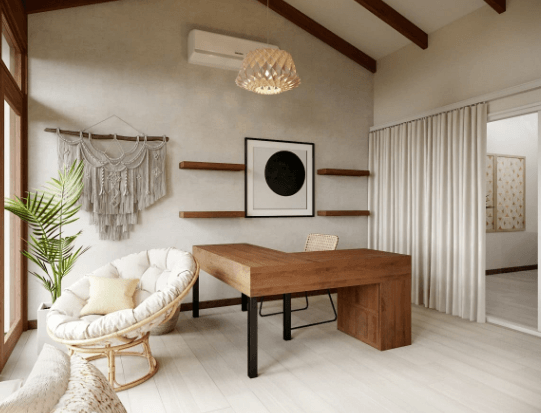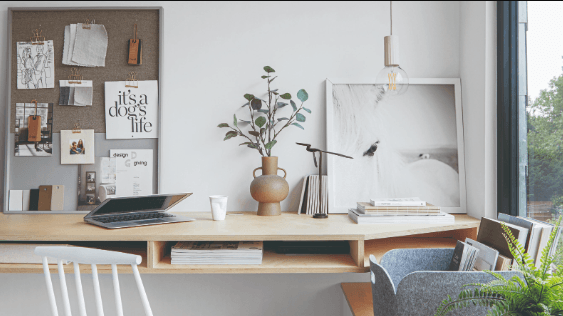
Layered lighting in a home office combines ambient, task, and accent elements to shape focus and mood. The approach emphasizes adjustable luminance, glare control, and faithful color rendering. Small spaces benefit from compact, flexible fixtures that minimize visual clutter. Practical DIY tweaks can soften harsh shadows and illuminate key work zones. The result is a cohesive system that supports comfort and productivity while preserving architectural detail, inviting further exploration of how these choices perform in varied worksites.
What Makes Great Home Office Lighting
Great home office lighting balances function and atmosphere, aligning brightness, color, and direction to support tasks while enhancing mood.
A well-conceived system minimizes glare through angle, shielding, and zoning, preserving focus for screens and paper.
Color rendering preserves true hues across work materials.
Design emphasizes adaptability, efficiency, and aesthetic restraint, enabling freedom to evolve setups without sacrificing precision or comfort.
Layered Lighting for Focus and Mood
Layered lighting orchestrates light layers to support focus while shaping mood, balancing ambient, task, and accent elements into a cohesive system.
In practice, layered schemes create a focused ambiance by prioritizing task hierarchy and adjustable luminance.
Subtle color, directionality, and contrast guide attention, reducing fatigue.
The result is a flexible, aesthetically refined work environment that respects personal freedom and productivity.
Practical Fixture Picks for Small Spaces
For small spaces, selecting fixtures that maximize function without consuming surface area hinges on compact form, mounting flexibility, and glare control; thoughtfully chosen options can deliver ample illumination while preserving visual clarity and architectural integrity.
Practical picks emphasize desk lamps with adjustable arms, discrete track elements, and integrated glare shields, paired with smart plugs for zones of control, efficiency, and freedom of layout.
Easy DIY Tweaks to Transform Your Desk Glow
Even small desk adjustments can yield a noticeable shift in overall lighting quality, and these easy DIY tweaks offer immediate, cost-effective improvements without altering the existing fixtures.
The approach emphasizes precision: diffuse illumination, targeted highlights, and color balance to enhance desk glow.
By reconfiguring accessories and reflectors, users achieve brighter ambience with minimal material investment, embracing freedom through refined, efficient, aesthetically cohesive workspaces.
desk glow, easy tweaks.
Frequently Asked Questions
How Can I Reduce Glare on Screens From Overhead Lighting?
Glare reduction is achieved by optimizing luminance contrast and employing indirect, diffuse screen lighting. The design avoids harsh overheads and uses task lamps with shading, anti-glare coatings, and recessed fixtures to maintain ergonomic, aesthetically calm screen lighting.
What Color Temperature Suits Long Weekday Work vs. Evenings?
Long weekday work benefits from cooler, around 4000–5000K, while evening color shifts toward warmer 2700–3000K; layering with dimmable fixtures supports gradual transitions, preserving mood, reducing fatigue, and preserving visual clarity for both tasks and relaxation.
How Often Should I Replace Bulbs in a Home Office?
Bulbs typically last 1 to 3 years, depending on usage; a robust cadence emerges from monitoring lumen decline and fixture temperature. Bulb replacement cadence aligns with maintenance scheduling, balancing energy efficiency and aesthetic consistency for liberated workspaces.
Which Dimmer Options Work Best With LED Fixtures?
Dimmer compatibility favors high-quality, LED-specific dimmers, with trailing-edge options reducing flicker. LED dimming types vary by driver; choose phase-cut or smooth-transition models compatible with your fixtures, ensuring dimming range suits ambient and task lighting preferences.
See also: The Impact of Crypto Technology on FinTech
Can Natural Light Impact Productivity in Winter Months?
Natural light significantly boosts winter productivity, with a 20% average lift in alertness observed in dimmer environments. It highlights natural light benefits, shaping a technically aesthetic workspace that respects freedom while optimizing performance through daylight-oriented design.
Conclusion
In the dim before the glow, the home office erupts into a symphony of light: ambient halos cascade like celestial fog, task beacons slice through shadows with surgical precision, and accent sparks choreograph architectural drama. Layering becomes a virtuoso instrument, each luminaire tuned to humanity’s exacting tempo—glare suppressed, color faithful, glare-free focus. Small spaces bloom into radiant studios, while DIY tweaks act as gravity’s antidote, lifting shadows into alignment. The desk glows not merely brighter, but deliberately, artfully, obsessively luminous.