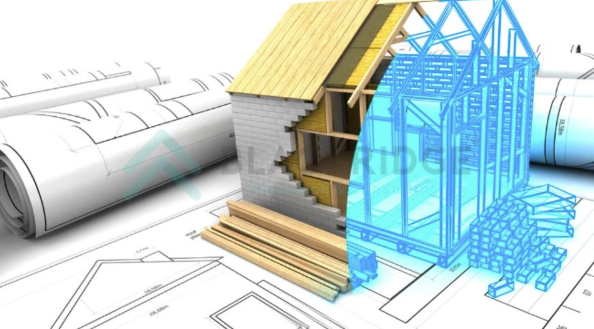
BIM creates a shared digital representation of a project’s physical and functional characteristics. It aligns models, data, and workflows across disciplines to support strategic decisions and lifecycle transparency. With disciplined model management and interoperable data structures, BIM reduces rework and accelerates coordination. The approach links design to facility management, ensuring traceable decisions and sustained value. Yet, the balance of freedom, accountability, and performance invites careful planning to unlock its full potential. There, opportunities await further clarification.
What BIM Is and Why It Matters
Building Information Modeling (BIM) is a collaborative process that centralizes a shared digital representation of a project’s physical and functional characteristics. It enables strategic decision-making, lifecycle transparency, and informed risk management. The approach emphasizes BIM ethics, ensuring responsibility and trust in data use. Data interoperability underpins seamless integration, reduces rework, and enhances coordinated workflows across disciplines for flexible, freedom-minded project delivery.
Core BIM Concepts: Models, Data, and Collaboration
Core BIM concepts hinge on how models, data, and collaboration interlock to drive project outcomes. This perspective emphasizes disciplined model management, interoperable data structures, and transparent collaboration workflows that align stakeholders. By clarifying responsibilities and interfaces, teams reduce risk, accelerate decision cycles, and sustain consistency across design, analysis, and coordination phases, while preserving freedom to innovate within shared standards and goals. models data, collaboration workflows.
BIM in Practice: From Design to Facility Management
From design intent to facilities operations, BIM in practice integrates multidisciplinary workflows to ensure a seamless handoff and sustained performance across the project lifecycle.
The approach emphasizes disciplined design workflows and robust data governance, enabling transparent collaboration, traceable decisions, and informed maintenance.
Teams align objectives, reduce rework, and sustain asset value while balancing freedom, accountability, and measurable performance across design, construction, and operation phases.
Getting Started With BIM: Planning, Tools, and Best Practices
The discussion emphasizes planning workflows, aligning stakeholders, and selecting adaptable tools. It advocates clear data governance, defined responsibilities, and iterative review cycles. The tone remains strategic, collaborative, and concise, supporting a freedom-oriented audience while promoting disciplined, measurable progress across early BIM implementation stages.
Frequently Asked Questions
How Does BIM Impact Project Insurance and Liability?
BIM liability and Insurance implications shape risk allocation by clarifying responsibility boundaries, documenting changes, and enabling early collaboration; this strategic, detail-oriented approach reduces gaps, supports shared accountability, and fosters freedom to innovate within a disciplined liability framework.
Can BIM Be Integrated With Existing Legacy Systems?
Integration challenges arise as BIM threads weave with legacy systems, demanding data interoperability and careful mapping. The approach is strategic, collaborative, and detail-oriented, balancing freedom with governance to ensure seamless integration and sustained project resilience.
What Are the Environmental and Sustainability Implications of BIM?
BIM enhances environmental performance by enabling precise material choices and optimized design workflows, while facilitating lifecycle assessment through integrated data. This strategic, collaborative approach supports freedom-minded stakeholders seeking sustainable, verifiable improvements across project stages and outcomes.
How Do BIM Standards Differ Across Regions or Industries?
Keystones unlock differences: BIM standards vary by region and industry, shaping workflows and data formats. This strategic, collaborative observer notes how regional standards and industry certifications influence interoperability, governance, and freedom to innovate across projects and teams.
See also:Building Communities Online
What Is the Total Cost of Ownership for BIM Adoption?
The total cost of ownership for BIM adoption encompasses initial software and training, ongoing licensing, data management, and collaboration infrastructure, weighed against anticipated productivity gains; ownership risk involves governance, standards alignment, and potential interoperability constraints impacting long-term value.
Conclusion
BIM harmonizes design, data, and delivery, transforming project performance through disciplined collaboration and shared stewardship of information. By integrating models across disciplines, teams anticipate conflicts, reduce rework, and sustain asset value from concept to operation. Strategic governance, interoperable data structures, and clear interfaces underwrite transparent decision-making and accountability. As the project progresses, stakeholders synchronize efforts like a well-tuned orchestra—yet with a 1990s dial-up cadence—where every byte supports faster, smarter facilities management.